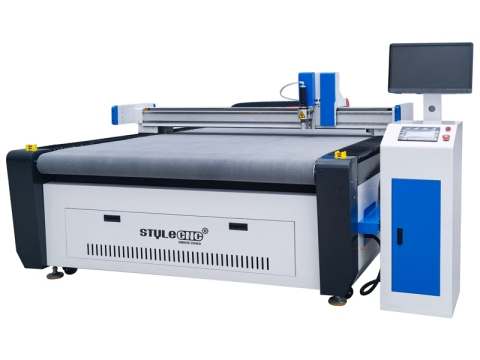
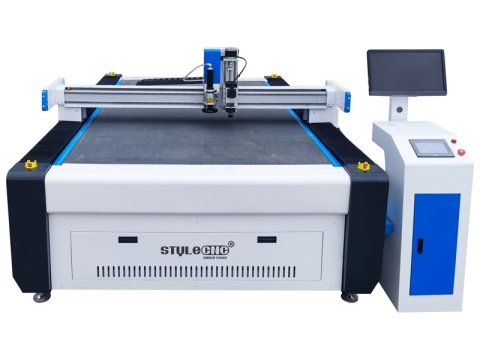
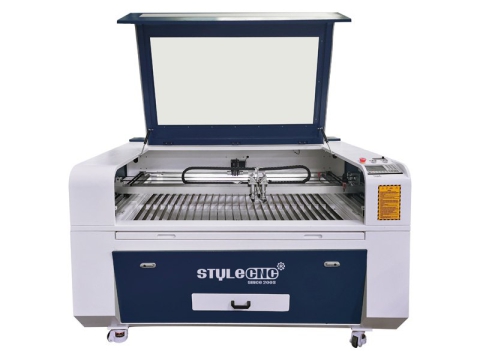
ຂ້າພະເຈົ້າໄດ້ຊື້ເຄື່ອງຕັດ CNC ອັດຕະໂນມັດນີ້ເພື່ອເຮັດໃຫ້ກ່ອງ cardboard corrugated ສໍາລັບທຸລະກິດການຫຸ້ມຫໍ່ custom ຂອງຂ້າພະເຈົ້າ. ເຄື່ອງນີ້ຖືກອອກແບບມາໄດ້ດີເພື່ອຕັດວັດສະດຸຮາບພຽງໄດ້ໄວດ້ວຍຄວາມພະຍາຍາມຫນ້ອຍ. ມັນງ່າຍທີ່ຈະຕິດຕັ້ງແລະນໍາໃຊ້, ແລະຕັດຜ່ານ cardboard ເຊັ່ນມັນເບີ. ນອກຈາກນັ້ນ, ແຜ່ນໃບແມ່ນສາມາດທົດແທນໄດ້ເພື່ອຕັດວັດສະດຸທີ່ແຕກຕ່າງກັນ. ໂດຍລວມ, ເຄື່ອງມືຕັດດິຈິຕອນທີ່ດີເລີດສໍາລັບວັດສະດຸທີ່ມີຄວາມຍືດຫຍຸ່ນ. ຂ້າພະເຈົ້າແນະນໍາໃຫ້ມັນສໍາລັບການຕັດລະອຽດບ່ອນທີ່ຄວາມແມ່ນຍໍາທີ່ແນ່ນອນແມ່ນຕ້ອງການ.
2026 ທີ່ດີທີ່ສຸດເຄື່ອງຕັດ CNC Cardboard ອັດຕະໂນມັດສໍາລັບການຂາຍ
ປັບປຸງ ໃໝ່ ລ່າສຸດ: 2026-05-22 15:44:29
CNC cardboard ເຄື່ອງຕັດດ້ວຍມີດ oscillating tangential ແມ່ນຜູ້ຜະລິດກ່ອງ carton ອັດຕະໂນມັດອຸດສາຫະກໍາທີ່ດີທີ່ສຸດຂອງ 2026 ສໍາລັບການຫຸ້ມຫໍ່ດ້ວຍເຄື່ອງມືມີດທີ່ແຕກຕ່າງກັນແລະແຜ່ນໃບຄ້າຍຄືເພື່ອຕັດກະດາດກະດາດ, hardboard, carton box, corrugated box, cardboard corrugated, corrugated fiberboard, paperboard, mat board, ແລະ chipboard. ໃນປັດຈຸບັນເຄື່ອງຕັດ cardboard ອັດຕະໂນມັດທີ່ດີທີ່ສຸດສໍາລັບການຂາຍໃນລາຄາທີ່ເຫມາະສົມ.
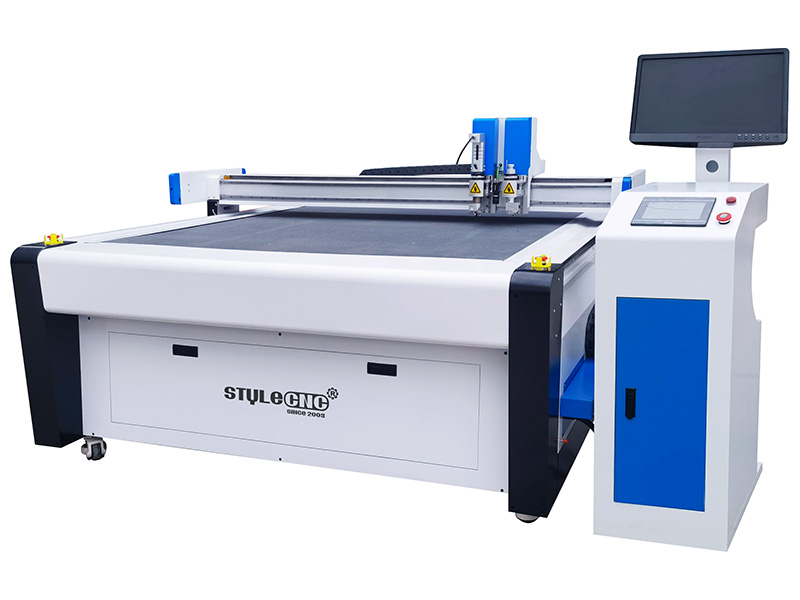
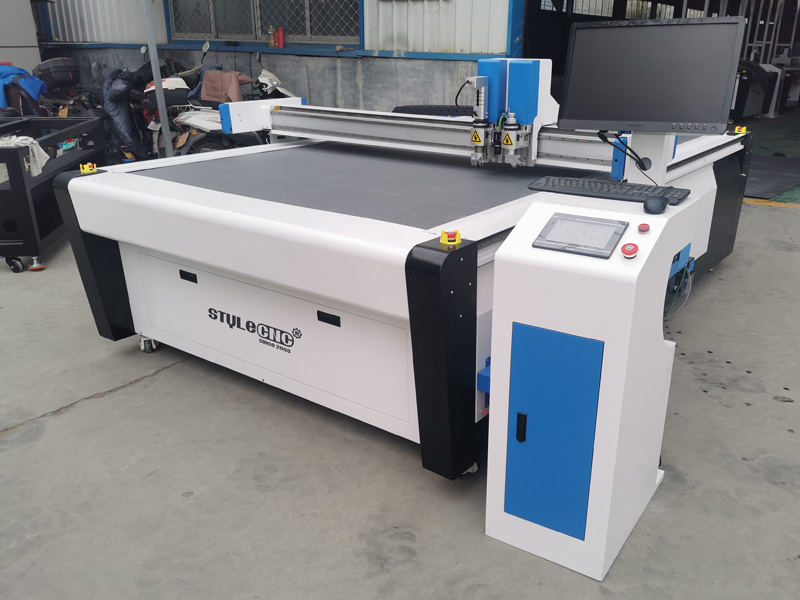
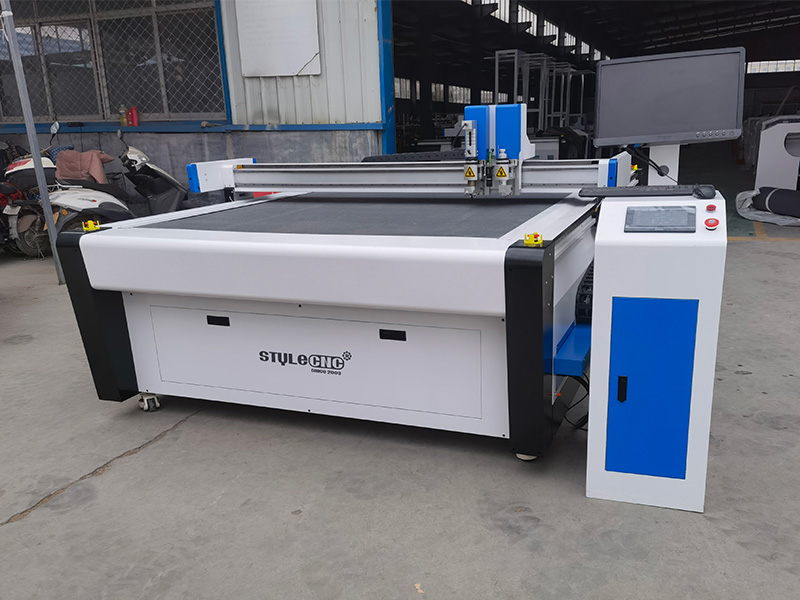
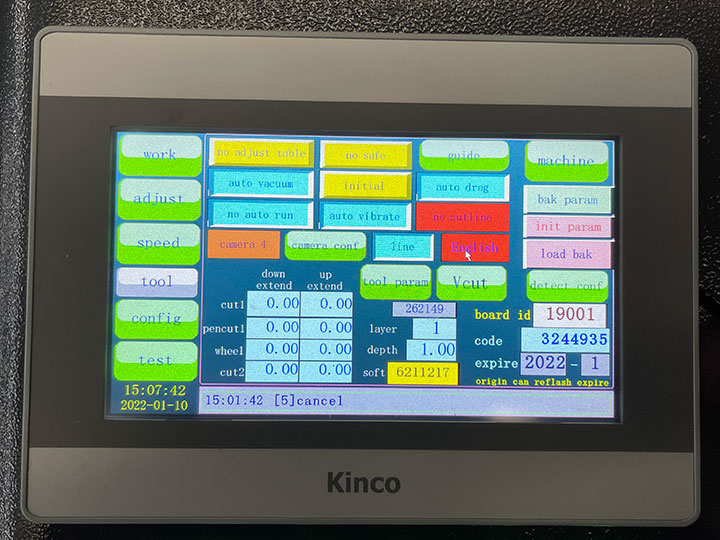
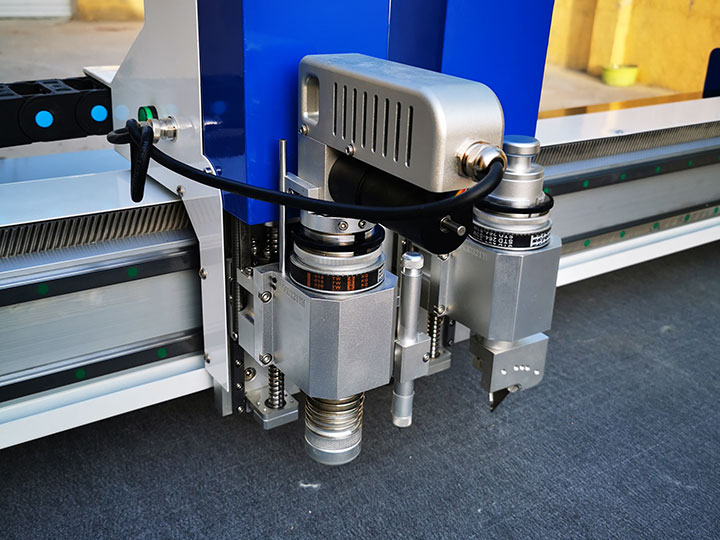
- ຍີ່ຫໍ້ - STYLECNC
- ຮູບແບບ - STO1630
- Maker - Jinan Style ເຄື່ອງຈັກ Co,. ຈຳກັດ.
- ປະເພດ - CNC ເຄື່ອງຕັດມີດດິຈິຕອນ
$14,000 - $15,500 ສໍາລັບ Basic & Pro Editions
- 360 ຫນ່ວຍໃນສະຕັອກມີຂາຍທຸກໆເດືອນ
- ຕອບສະຫນອງມາດຕະຖານ CE ໃນຂໍ້ກໍານົດຄຸນນະພາບ & ຄວາມປອດໄພ
- ຮັບປະກັນຫນຶ່ງປີຈໍາກັດສໍາລັບເຄື່ອງຈັກທັງຫມົດ (ການຮັບປະກັນຂະຫຍາຍສໍາລັບພາກສ່ວນໃຫຍ່)
- ຮັບປະກັນການຄືນເງິນໃນ 30 ມື້ສຳລັບການຊື້ຂອງທ່ານ
- ການຊ່ວຍເຫຼືອດ້ານວິຊາການຕະຫຼອດຊີວິດຟຣີສໍາລັບຜູ້ໃຊ້ສຸດທ້າຍ & ຕົວແທນຈໍາຫນ່າຍ
- ອອນລາຍ (PayPal, Alibaba) / Offline (T/T, ບັດເດບິດ ແລະເຄຣດິດ)
- ການຂົນສົ່ງທົ່ວໂລກ ແລະການຂົນສົ່ງສາກົນໄປທຸກບ່ອນ
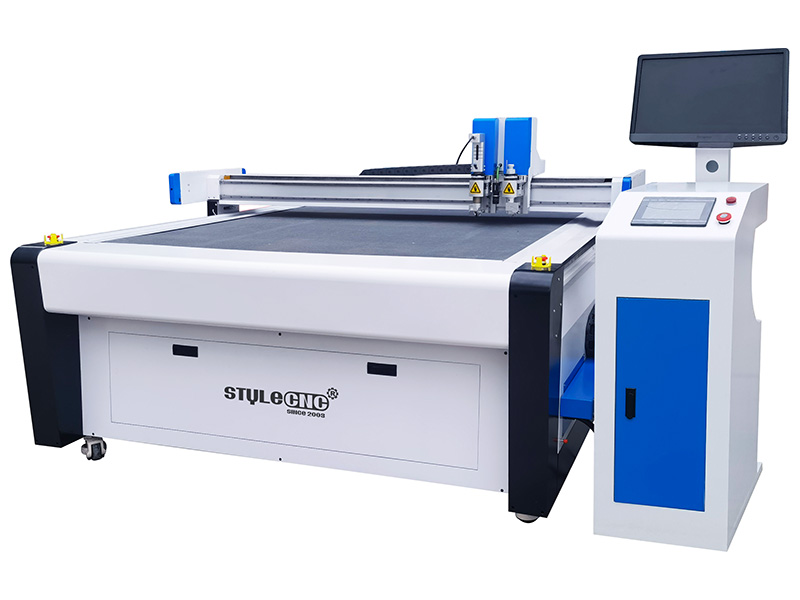
ເຄື່ອງຕັດມີດ CNC oscillating tangential ແມ່ນປະເພດຂອງເຄື່ອງເຮັດກ່ອງ cardboard CNC ທີ່ມີຄວາມແມ່ນຍໍາສູງ (ເຄື່ອງເຮັດກ່ອງ CNC) ດ້ວຍເຄື່ອງມືແລະແຜ່ນມີດທີ່ຫລາກຫລາຍສໍາລັບກ່ອງເຈ້ຍ (ກ່ອງ Bakers, Cereal & Food boxes, Drug & Toiletry package boxes, Gift boxes & Shirt Boxes), Corrugated Boxes, Mailing Boxes (Anti) ກ່ອງ, ກ່ອງພິຊຊ່າ), ກ່ອງບັນຈຸຂີ້ເຜີ້ງ, ແລະຫຼັກຊັບກະດາດໃນອຸດສາຫະກໍາການຫຸ້ມຫໍ່. ດ້ວຍການຕັ້ງຄ່າທີ່ຖືກຕ້ອງ, ລະບົບຕັດ cardboard CNC ສາມາດຕອບສະຫນອງຫນ້າທີ່ທີ່ແຕກຕ່າງກັນ, ເຊັ່ນ: ການຕັດ, ການວາງແຜນ, ການແຕ້ມຮູບ, ເສັ້ນທາງ, ການເຈາະ, ແລະອື່ນໆ. ລະບົບຕັດມີດ CNC oscillating tangential ສາມາດນໍາໃຊ້ໄດ້ສໍາລັບທຸກວັດສະດຸທີ່ມີຄວາມຍືດຫຍຸ່ນຫຼືອ່ອນທີ່ມີການປະຕິບັດການຕັດທີ່ດີເລີດ. ຕາຕະລາງຕັດ cardboard CNC ມີຄວາມໄດ້ປຽບຂອງຄວາມໄວສູງ, ສະຕິປັນຍາສູງ, ການຕັດທີ່ຊັດເຈນສູງ, ແລະການດໍາເນີນງານງ່າຍດາຍ. ເຄື່ອງຕັດ carton CNC ສາມາດເຊື່ອມຕໍ່ກັບຊອບແວອື່ນໆໄດ້ດີກັບຊອບແວແປງຂໍ້ມູນ. ເຄື່ອງຕັດກ່ອງ cardboard CNC ຈະຊ່ວຍໃຫ້ອຸດສາຫະກໍາການຫຸ້ມຫໍ່ຍົກລະດັບຈາກການເກັບຕົວຢ່າງຄູ່ມືແບບດັ້ງເດີມໄປສູ່ຮູບແບບການຜະລິດຄວາມໄວສູງແລະຄວາມແມ່ນຍໍາ.
ກະດາດກະດາດປະກອບມີແຜ່ນເສັ້ນໄຍ corrugated, ກະດານເຈ້ຍ, ແລະກະດານ mat.
ກະດາດກະດາດປະກອບດ້ວຍຊູນຟູດທີ່ຟອກຟອກແຂງ (SBS), ຊູນຟູດທີ່ບໍ່ຟອກຟອກແຂງ (SUS), ແລະກະດານລີໄຊເຄີນເຄືອບ (CRB).
Carton (Paperboard Box) ແມ່ນຜະລິດຕະພັນບັນຈຸພັນທີ່ໃຊ້ກັນຢ່າງກວ້າງຂວາງທີ່ສຸດ. ອີງຕາມວັດສະດຸທີ່ແຕກຕ່າງກັນ, ມີກ່ອງ corrugated, ກ່ອງ cardboard ຊັ້ນດຽວ, ແລະອື່ນໆ, ມີລັກສະນະແລະຮູບແບບຕ່າງໆ. ມີ 3 ແລະ 5 ຊັ້ນທີ່ຖືກນໍາໃຊ້ທົ່ວໄປໃນ cartons. 7 ຊັ້ນຖືກນໍາໃຊ້ຫນ້ອຍລົງເລື້ອຍໆ. ແຕ່ລະຊັ້ນແບ່ງອອກເປັນເຈ້ຍເສັ້ນ, ເຈ້ຍມ້ວນ, ເຈ້ຍຫຼັກ, ແລະເຈ້ຍໃບໜ້າ. ເຈ້ຍເສັ້ນ ແລະ ໃບຫນ້າແມ່ນເຈ້ຍຊາແລະເຈ້ຍ kraft, ແລະເຈ້ຍຫຼັກແມ່ນເຈ້ຍ corrugated. ສີແລະຄວາມຮູ້ສຶກຂອງເອກະສານຕ່າງໆແມ່ນແຕກຕ່າງກັນ, ແລະກະດາດ (ສີ, ຄວາມຮູ້ສຶກ) ທີ່ຜະລິດໂດຍຜູ້ຜະລິດທີ່ແຕກຕ່າງກັນກໍ່ແຕກຕ່າງກັນ.
STYLECNC ສ້າງແຜນການຕັດກ່ອງ CNC ປະຕິວັດສໍາລັບອຸດສາຫະກໍາການພິມແລະການຫຸ້ມຫໍ່. ການຂີດຂຽນ, ການແຕ້ມຮູບ, ຂໍ້ຄວາມປະກອບ, ການຫຍໍ້ໜ້າ, ຕັດເຄິ່ງມີດ, ຕັດມີດເຕັມ, ທັງໝົດໃນຄັ້ງດຽວ. ມັນຖືກນໍາໃຊ້ໃນການຕັດກະດານ corrugated, carton proofing, ຫຼັກຖານສະແດງກ່ອງສີ, ຫຼັກຖານສະແດງກ່ອງພາດສະຕິກ, POP ເຈ້ຍສະແດງ rack shelf proofing, ແລະການຜະລິດ batch ຂະຫນາດນ້ອຍ. ແທນທີ່ຈະເປັນການພັດທະນາຄູ່ມືແບບດັ້ງເດີມການອອກແບບແລະການພິສູດຂອງ cartons, ກ່ອງສີ, ແລະ racks ສະແດງເຈ້ຍ. CNC carton-cutting machines ຈະສັ້ນລົງທີ່ໃຊ້ເວລາການຄົ້ນຄວ້າແລະການພັດທະນາທີ່ສອດຄ້ອງກັນເພື່ອຕອບສະຫນອງເປົ້າຫມາຍການຜະລິດຂອງ batches ຫນ້ອຍ, ຄໍາສັ່ງຫຼາຍ, ແລະຫຼາຍຮູບແບບ.
ຄຸນສົມບັດຂອງເຄື່ອງຕັດແຜ່ນແຂງ CNC ອັດຕະໂນມັດດ້ວຍມີດ Oscillating Tangential
ຟັງຊັນການຕັດເຄື່ອງມື Oscillation
ເຄື່ອງຕັດ carton ອັດຕະໂນມັດສາມາດຕັດວັດສະດຸທີ່ແຕກຕ່າງກັນ (ເຊັ່ນ: gasket, ຫນັງ, fabric, carpet, corrugated paper, cardboard, offset paper, greyboard, ຢາງພາລາ, Honeycomb board, PP, PE, ແລະ PVC)
ຟັງຊັນ Punching
ເຄື່ອງຕັດ cardboard corrugated ອັດຕະໂນມັດສາມາດເຈາະຮູໃນວັດສະດຸ, ເຊັ່ນ: cartons, ຫນັງ, ພົມ, PVC, ແລະ mats.
ຟັງຊັນການແຕ້ມຮູບ
ເຄື່ອງເຮັດກ່ອງກະດາດອັດຕະໂນມັດສາມາດແຕ້ມວັດສະດຸທີ່ມີຄວາມແມ່ນຍໍາສູງຕ່າງໆ, ລວມທັງໂຟມ, PVC, ກະດານ corrugated, styrene, coroplast, ຟິມແມ່ເຫຼັກ, Celtic, ກາວ vinyl, ຢາງ, ຜ້າ, ກະດາດ, ຫນັງ, cardboard, vinyl, polystyrene, ຮູບເງົາແມ່ເຫຼັກ, ແລະຮູບເງົາສະທ້ອນຄວາມເຂັ້ມຂຸ້ນສູງ.
ຟັງຊັນເສັ້ນຈຸດ
ຕາຕະລາງຕັດ cardboard ອັດຕະໂນມັດແມ່ນໃຊ້ເພື່ອພັບພວກເຂົາຫຼັງຈາກຕັດເຄິ່ງຫນຶ່ງຂອງເຈ້ຍ corrugated ແລະເຈ້ຍບັດສີຂີ້ເຖົ່າແລະຕັດເສັ້ນ dotted.
ຟັງຊັນພັບ
ເຄື່ອງຕັດກ່ອງອັດຕະໂນມັດສາມາດພັບເຈ້ຍ corrugated, ເຈ້ຍບັດແລະກະດານຊົດເຊີຍເຂົ້າໄປໃນເສັ້ນພັບທີ່ສົມບູນແບບ.
ຟັງຊັນສະຖານທີ່
ສະຖານທີ່ທີ່ມີກ້ອງຖ່າຍຮູບຫຼືໂປເຈັກເຕີ.
ຂໍ້ໄດ້ປຽບຂອງເຄື່ອງຕັດ Cardboard CNC ອັດຕະໂນມັດດ້ວຍມີດ Oscillating Tangential
ຄວາມໄວສູງ
ຄວາມໄວຕັດສູງສຸດແມ່ນ 1200mm/ s, ເຊິ່ງສູງກວ່າ 3 ຫາ 5 ເທົ່າຂອງການຕັດດ້ວຍມືແບບດັ້ງເດີມ.
ປະຢັດວັດສະດຸ
ເຄື່ອງຈັກແມ່ນຄອມພິວເຕີທີ່ຖືກຕ້ອງ ແລະປະຫຍັດວັດສະດຸ.
ເຂົ້າກັນໄດ້
ເຄື່ອງຕັດ cardboard CNC ຮອງຮັບຊອບແວ CAD/CAM ທີ່ສາມາດສົ່ງໄຟລ໌ໃນຮູບແບບ DXF ຫຼື PLT ດ້ວຍ Coreldraw, AutoCAD, AI, ແລະອື່ນໆ.
User Friendly
ການຫັນແຫຼມທັງຫມົດສາມາດຄວບຄຸມໄດ້ໃນເຄື່ອງຕັດ cardboard ອັດຕະໂນມັດ CNC.
ຄໍາຮ້ອງສະຫມັກຂອງເຄື່ອງຕັດອັດຕະໂນມັດ CNC Carton ທີ່ມີດ Oscillating Tangential
CNC carton cutter machine is used for cutting, indentation, dotted line, marking, drawing, and other processes in the packing industry, ແທນທີ່ຈະເປັນ carton ແບບດັ້ງເດີມ, ກອບການວາງສະແດງ, ແລະການພັດທະນາຄູ່ມືອື່ນໆ, ການອອກແບບ, ແລະຫຼັກຖານສະແດງ, ຫຍໍ້ເວລາ R & D, ຄວາມໄວສູງ, ແລະມີຄຸນນະພາບສູງ. ເຄື່ອງຕັດກ່ອງ CNC ສາມາດເຮັດສໍາເລັດຮູບຕັດ, ຫຍໍ້ຫນ້າ, ແລະການ molding ຂອງເຈ້ຍ, ພາດສະຕິກ, ແລະອຸປະກອນທີ່ຍືດຫຍຸ່ນອື່ນໆໂດຍບໍ່ມີການມີດຕາຍແລະເຄື່ອງຕັດຕາຍເພື່ອຊ່ວຍປະຢັດຈໍານວນຫຼາຍຂອງກໍາລັງຄົນແລະຄ່າໃຊ້ຈ່າຍແມ່ພິມ.
ວັດສະດຸສາມາດຕັດດ້ວຍ CNC Oscillating Tangential Knife Cutting Machines
ແຜ່ນແພ, ຜ້າ, ຫນັງ, ແວ່ນຕາເສັ້ນໄຍ, ຢາງ, ສະຕິກເກີ, ຟິມ, ກະດານໂຟມ, ກະດາດກະດາດ corrugated, cardboards, ກ່ອງພາດສະຕິກ, ເຄື່ອງນຸ່ງຫົ່ມ, ວັດສະດຸ gasket, ວັດສະດຸເກີບ, ວັດສະດຸຕັດຫຍິບ, ວັດສະດຸຖົງ, rugs, sponges, carpets, PU, PP, PE, PTFE, ETFE, EVA, XPE, PVC.
ຕົວກໍານົດການດ້ານວິຊາການຂອງ CNC Cardboard Cutter ກັບ Oscillating Tangential Knife
| ຍີ່ຫໍ້ | STYLECNC |
| ຮູບແບບ | STO1630 |
| ຂະຫນາດຕາລາງ | 1600mm x0mm |
| ຄວາມໄວຕັດ | 200-2000mm/s |
| Cutting Thickness | ≤50mm |
| ວັດສະດຸຕັດ | ຜ້າ, ຫນັງ, ສິ່ງທໍ, cardboard corrugated, cardboard, Foam board, fiberglass, ສະຕິກເກີ, ກ່ອງພາດສະຕິກ, ຟິມ, ຢາງພາລາ, ຜ້າ, ວັດສະດຸຕັດຫຍິບ, ອຸປະກອນການ gasket, ວັດສະດຸຖົງ, ວັດສະດຸເກີບ, ຜ້າພົມ, sponges, rags, EVA, PU, XPE, PP, PE, PVC, ETFE, PTFE, ແລະສ່ວນປະກອບ. |
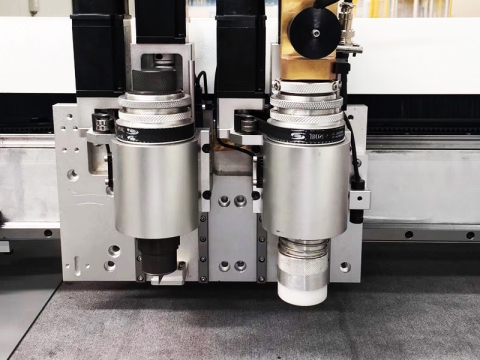
| ຫົວຫນ້າຫຼາຍຫນ້າທີ່ | ມີດສັ່ນ ມີດວົງ ມີດດີດ ມີດສະຫຼຽງ ປາກກາ ມີດດີດ ມີດ Milling |
| ເຄື່ອງມືຫຼາຍຫນ້າທີ່ | ມີດ vibrating ຕັດເຕັມ ມີດຮອບທີ່ມີພະລັງສູງ ການຕັດຕໍາແຫນ່ງກ້ອງຖ່າຍຮູບ ການຕັດແຂບ ການຈັດຕຳແໜ່ງຕົວກະພິບ ແຕ້ມເສັ້ນ |
| ອຸປະກອນຄວາມປອດໄພ | ການຮັບຮູ້ອິນຟາເລດ |
| ໂໝດຄົງທີ່ | ຕາຕະລາງແປ (ຕາຕະລາງການໃຫ້ອາຫານອັດຕະໂນມັດສໍາລັບທາງເລືອກ) |
| ພອດສາຍສົ່ງ | ພອດເຄືອຂ່າຍ |
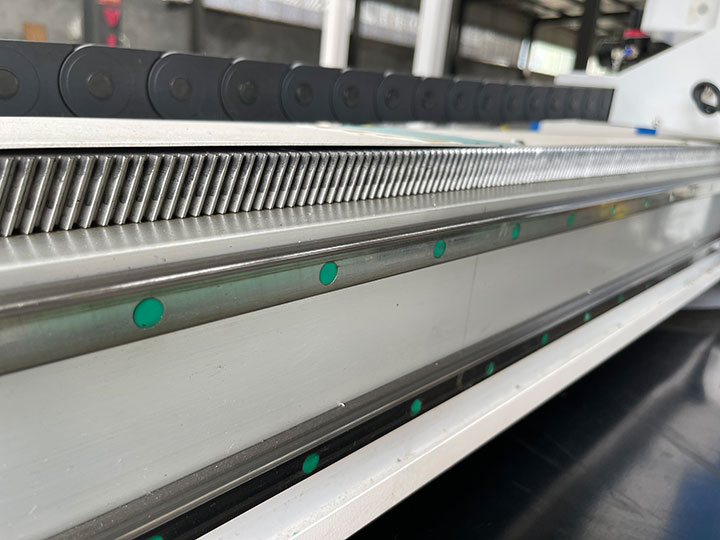
| ລະບົບການສົ່ງຜ່ານ | ມໍເຕີ servo Panasonic ຄູ່ມືເສັ້ນຊື່ ລະບົບສາຍສົ່ງ rack ແລະ pinion |
| ພະລັງງານ | 11kw |
| ແຮງດັນໄຟຟ້າ | 380V±10% (220V±10% ສໍາລັບທາງເລືອກ) |
| ລະບົບການຄວບຄຸມ | ຕົວຄວບຄຸມ Kinco |
| ສະພາບແວດລ້ອມປະຕິບັດການ | ອຸນຫະພູມສະພາບແວດລ້ອມການເຮັດວຽກ 0-40 ° C ຄວາມຊຸ່ມຊື່ນ 20%-80%RH |
| ຊອບແວທາງເລືອກ | ຊອບແວຮັງອັດຕະໂນມັດ ການກໍານົດຕົວຫນັງ ຊອບແວເຂົ້າ cardboard |
| ສະຫນັບສະຫນູນຮູບແບບເອກະສານ | PLT, AI, DXF, CDR |
CNC Oscillating Tangential Knife ໂຄງການຕັດ
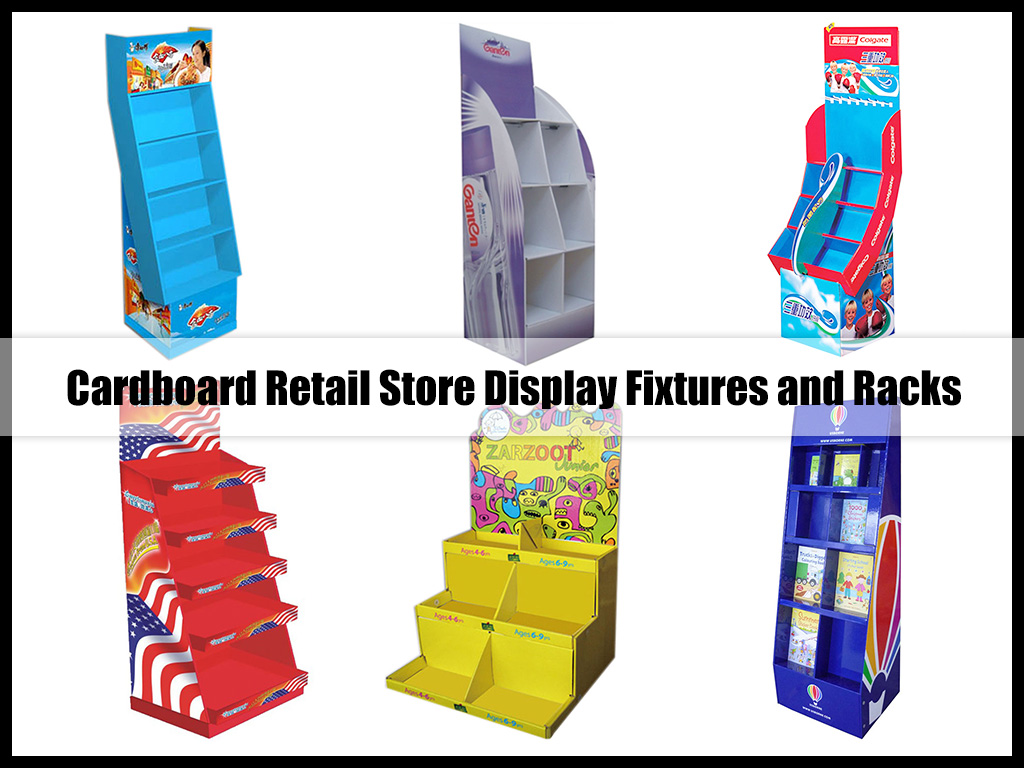
ເຄື່ອງຕັດມີດ CNC ສໍາລັບຮ້ານຂາຍຍ່ອຍ Cardboard ສະແດງ Fixtures ແລະ racks
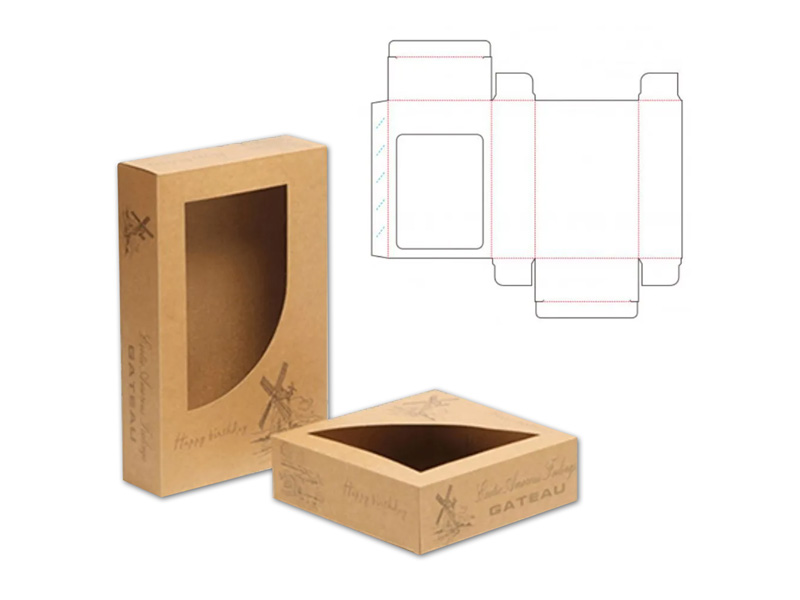
ໂຄງການຕັດກ່ອງບັນຈຸປ່ອງຢ້ຽມ
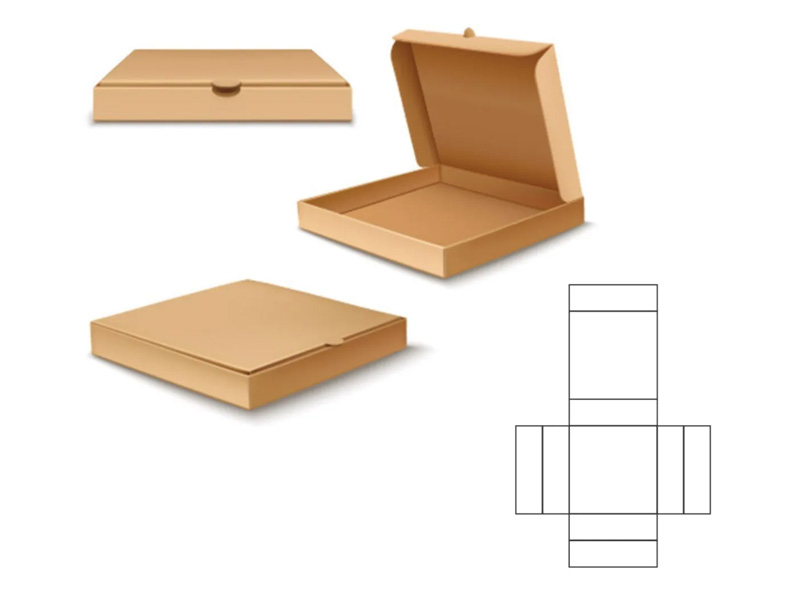
Die Cut Carton ແຜນ
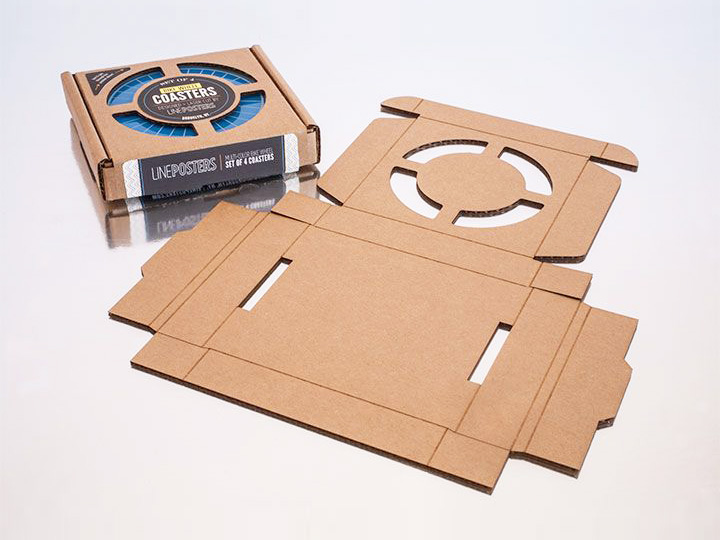
CNC Cardboard ໂຄງການເຮັດໃຫ້
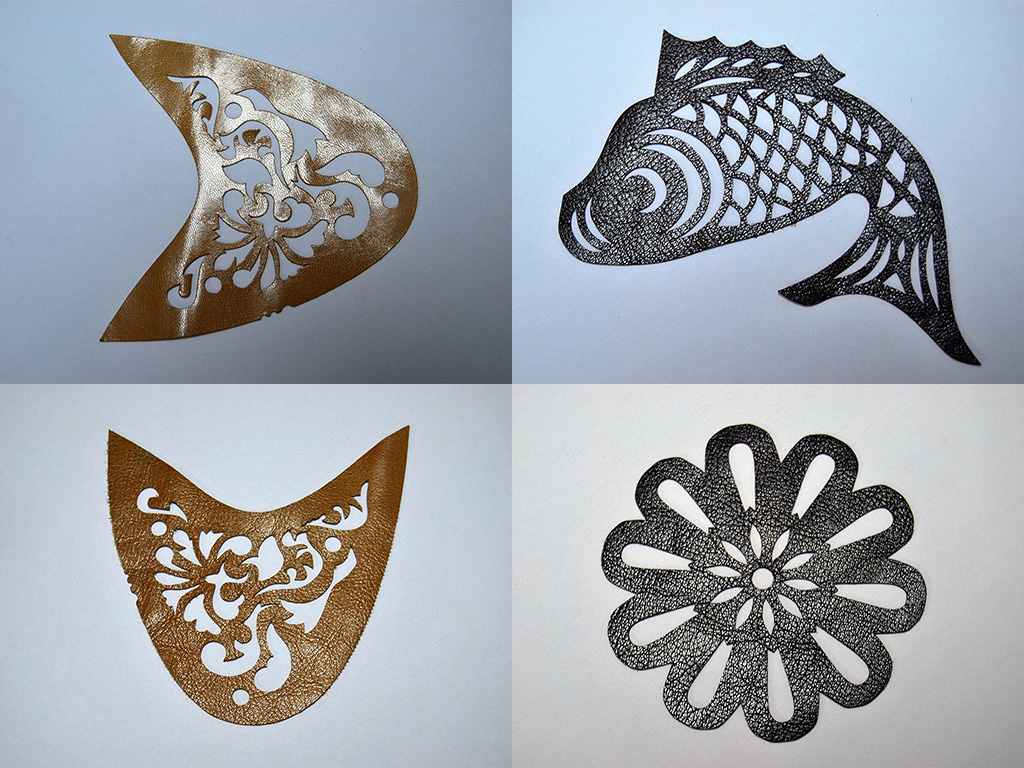
ເຄື່ອງຕັດມີດ CNC ສໍາລັບການຕັດຫນັງແທ້
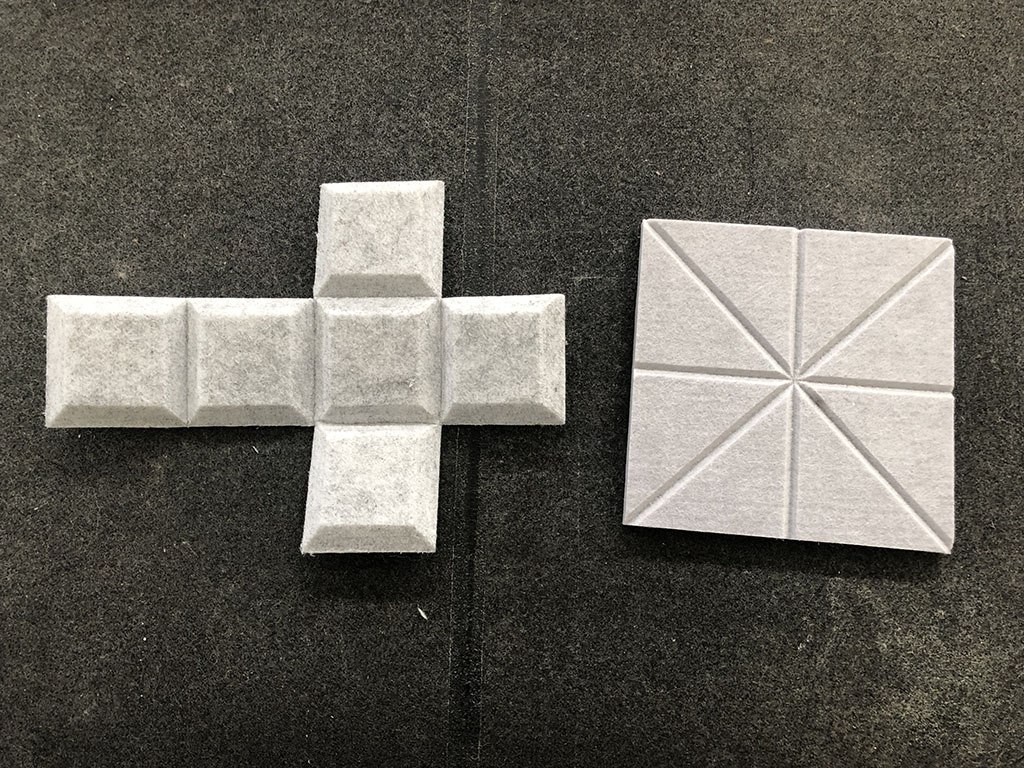
ໂຄງການຕັດ Felt ດ້ວຍ CNC Oscillating Knife Cutter
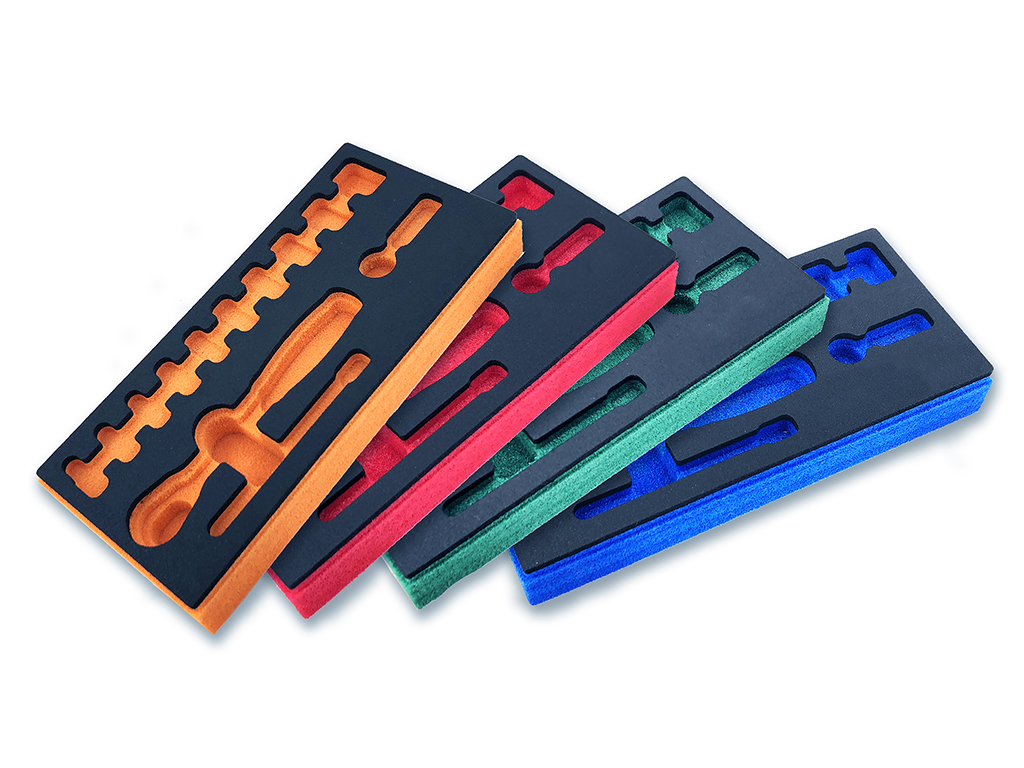
ເຄື່ອງຕັດມີດ Oscillating ສໍາລັບໂຄງການ EVA Foam Tray
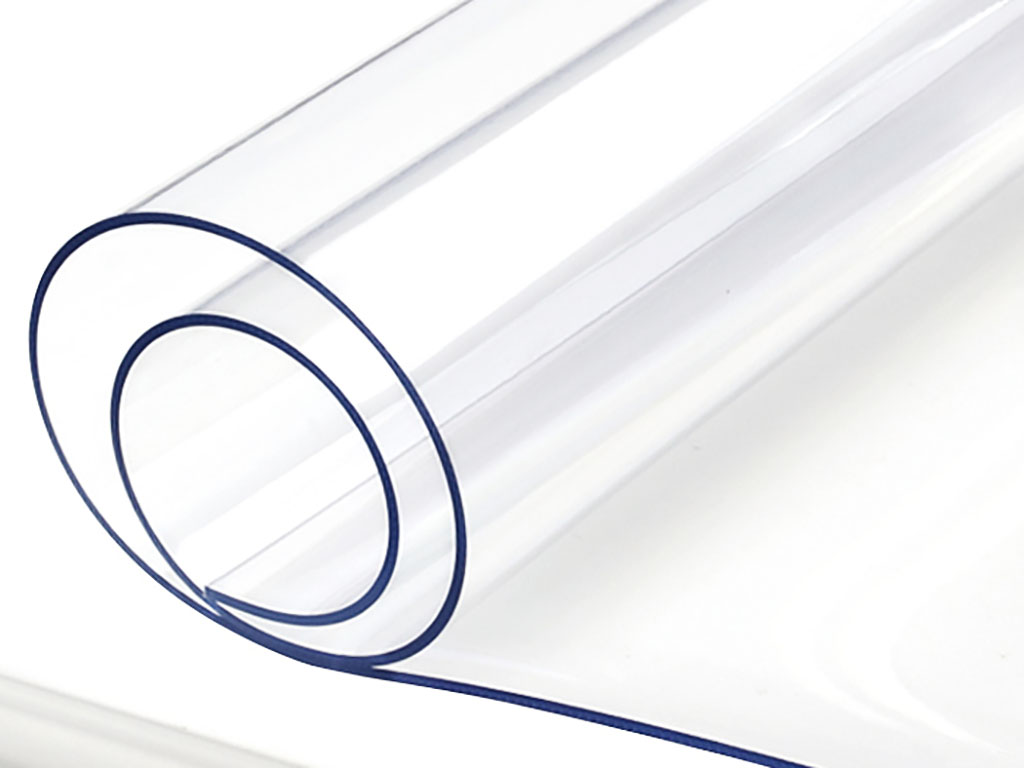
ເຄື່ອງຕັດມີດ CNC ສໍາລັບແກ້ວອ່ອນ PVC
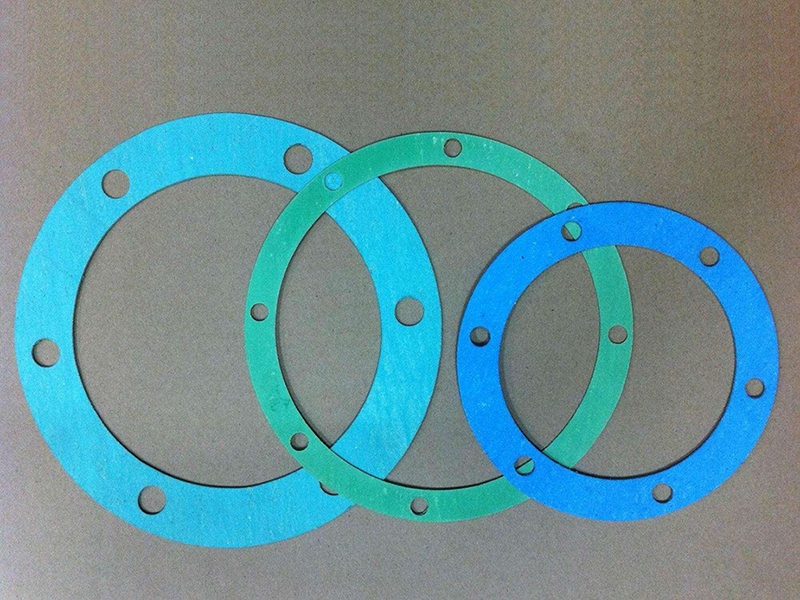
PTFE Impregnated Asbestos Gasket ຕັດຕົວຢ່າງ
ທ່ານສາມາດເບິ່ງລາຍລະອຽດເພີ່ມເຕີມໄດ້ຈາກ: ເຄື່ອງຕັດມີດ CNC ໃຊ້ເພື່ອຫຍັງ?
ການຫຸ້ມຫໍ່ຂອງຕາຕະລາງຕັດ CNC Cardboard ກັບ Oscillating Tangential Knife
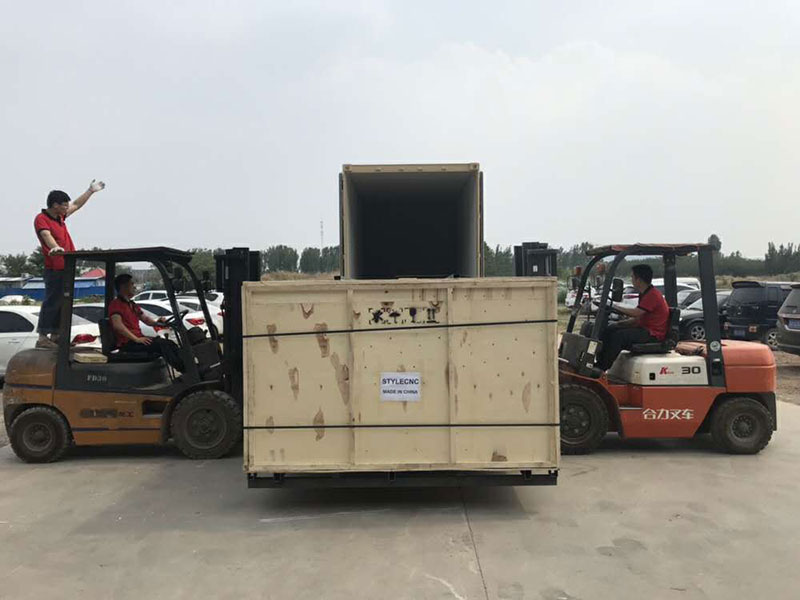
ບໍລິການ & ສະຫນັບສະຫນູນເຄື່ອງຕັດກ່ອງ Cardboard ອັດຕະໂນມັດດ້ວຍມີດ Oscillating Tangential
• ການຮັບປະກັນຄຸນນະພາບຫນຶ່ງປີ, ເຄື່ອງຕັດ cardboard ທີ່ມີຊິ້ນສ່ວນຕົ້ນຕໍ (ບໍ່ລວມເອົາເຄື່ອງບໍລິໂພກ) ຈະຖືກປ່ຽນໂດຍບໍ່ເສຍຄ່າຖ້າມີບັນຫາໃດໆໃນໄລຍະເວລາຮັບປະກັນ.
• ການບໍາລຸງຮັກສາຕະຫຼອດຊີວິດໂດຍບໍ່ເສຍຄ່າ.
• ຫຼັກສູດຝຶກອົບຮົມຟຣີຢູ່ທີ່ໂຮງງານຂອງພວກເຮົາ.
• ພວກເຮົາຈະສະຫນອງຊິ້ນສ່ວນທີ່ບໍລິໂພກໃນລາຄາຕົວແທນໃນເວລາທີ່ທ່ານຕ້ອງການທົດແທນ.
• 24/7 ການບໍລິການອອນໄລນ໌ໃນແຕ່ລະມື້, ສະຫນັບສະຫນູນດ້ານວິຊາການຟຣີ.
•ເຄື່ອງຕັດ cardboard CNC ທັງຫມົດໄດ້ຖືກປັບກ່ອນທີ່ຈະຈັດສົ່ງ.
•ພະນັກງານຂອງພວກເຮົາສາມາດຖືກສົ່ງໄປຫາບໍລິສັດຂອງທ່ານເພື່ອຕິດຕັ້ງຫຼືປັບຕົວຖ້າຈໍາເປັນ.
ຄໍາແນະນໍາກ່ຽວກັບການບໍາລຸງຮັກສາສໍາລັບເຄື່ອງຕັດ CNC Cardboard
ການຕັດແລະການປ້ອງກັນການແຕກແຍກທີ່ຖືກຕ້ອງແມ່ນຮັບປະກັນໂດຍການບໍາລຸງຮັກສາເປັນປົກກະຕິ. ໃຫ້ແນ່ໃຈວ່າເຄື່ອງຕັດ cardboard CNC ຂອງທ່ານຢູ່ໃນຄໍາສັ່ງທີ່ດີ. ທ່ານສາມາດຮັກສາການປະຕິບັດຂອງຄອມພິວເຕີຂອງທ່ານແລະເພີ່ມທະວີການຊີວິດຂອງຕົນໂດຍການປະຕິບັດຕາມຄໍາແນະນໍາງ່າຍດາຍເຫຼົ່ານີ້. ອາຍຸຍືນຂອງເຄື່ອງ CNC ຂອງທ່ານສາມາດຂະຫຍາຍໄດ້ຢ່າງຫຼວງຫຼາຍໂດຍການຊ່ວຍເຫຼືອຂອງຄໍາແນະນໍາການບໍາລຸງຮັກສາງ່າຍດາຍເຫຼົ່ານີ້.
• ເຮັດຄວາມສະອາດເຄື່ອງເປັນປົກກະຕິ: ສິ່ງເສດເຫຼືອຈາກກະດາດກະດາດແລະຂີ້ຝຸ່ນສາມາດສະສົມໃນໄລຍະເວລາ. ເພື່ອຮັກສາທຸກຢ່າງໃຫ້ກະທັດຮັດ, ເຮັດຄວາມສະອາດພື້ນຜິວແລະລ້າງສິ່ງເສດເຫຼືອອອກຈາກພື້ນທີ່ຕັດ.
• ກວດເບິ່ງ Blades: ກວດເບິ່ງແຜ່ນຕັດເລື້ອຍໆ. ເພື່ອຮັບປະກັນການຕັດທີ່ຊັດເຈນແລະຫຼີກເວັ້ນການເຄັ່ງຄັດຂອງເຄື່ອງ, ປ່ຽນແຜ່ນໃບຄ້າຍຄືຈືດໆຫຼືແຕກ.
• lubricate ພາກສ່ວນການເຄື່ອນຍ້າຍ: ເອົານ້ໍາມັນບາງໆໃສ່ຊິ້ນສ່ວນເຄື່ອນທີ່ຂອງເຄື່ອງຈັກ. ນີ້ຮັກສາທຸກສິ່ງທຸກຢ່າງເຮັດວຽກໄດ້ອຍ່າງລຽບງ່າຍໂດຍການຫຼຸດລົງ friction.
• Tighten Loose Screws: ກວດສອບສໍາລັບຫມາກໄມ້ທີ່ຂາດຫາຍໄປຫຼື screws. ຮັດພວກມັນເພື່ອຢຸດຄວາມເສຍຫາຍ ແລະ ການສັ່ນສະເທືອນທີ່ອາດຈະເກີດຂຶ້ນໃນຂະນະທີ່ເຄື່ອງກຳລັງເຮັດວຽກ.
• ຕິດຕາມການອັບເດດຊອບແວ: ຮັກສາຊອບແວໃນຄອມພິວເຕີຂອງທ່ານໃຫ້ທັນສະໄຫມ. ນີ້ຮັບປະກັນວ່າທ່ານໄດ້ຮັບການປັບປຸງຫຼ້າສຸດສໍາລັບການເຮັດວຽກທີ່ປັບປຸງແລະການສ້ອມແປງ.
ມີດສັ່ນສະເທືອນແບບ Tangential ທຽບກັບມີດລາກ ທຽບກັບເລເຊີ: ການເລືອກວິທີການຕັດທີ່ຖືກຕ້ອງ
ຜູ້ປະຕິບັດງານທີ່ຫາກໍ່ເລີ່ມໃຊ້ການຕັດແບບດິຈິຕອລມັກຈະໂຕ້ວາທີກ່ຽວກັບ 3 ເຕັກໂນໂລຢີທີ່ແຂ່ງຂັນກັນໃນເວທີສົນທະນາ CNC: ມີດລາກ, ມີດສັ່ນສະເທືອນແບບ tangential, ແລະ CO2 ເຄື່ອງຕັດເລເຊີ. ແຕ່ລະອັນເຮັດວຽກຕາມຫຼັກການທາງກາຍະພາບທີ່ແຕກຕ່າງກັນ, ແລະການເລືອກທີ່ບໍ່ຖືກຕ້ອງໃນຕົ້ນແບບການຫຸ້ມຫໍ່ຈະເຮັດໃຫ້ໃບມີດເສື່ອມ, ຂອບໄໝ້, ຫຼືສ້າງມຸມທີ່ບໍ່ສອດຄ່ອງກັນ. ການເຂົ້າໃຈວ່າລະບົບການສັ່ນສະເທືອນແບບ tangential ແຕກຕ່າງຈາກທາງເລືອກອື່ນແນວໃດເຮັດໃຫ້ເຂົ້າໃຈໄດ້ວ່າເປັນຫຍັງມັນຈຶ່ງກາຍເປັນຄ່າເລີ່ມຕົ້ນສຳລັບວຽກງານກ່ອງ, ໂຟມ, ແລະປະเก็นໃນໄລຍະສັ້ນ.
ວິທີການເຮັດວຽກຂອງມີດສັ່ນ Tangential
ໃບມີດສັ່ນສະເທືອນແນວຕັ້ງດ້ວຍຄວາມຖີ່ສູງ (ໂດຍປົກກະຕິ 50–180 Hz) ໃນຂະນະທີ່ແກນ C ທີ່ມີພະລັງງານໝູນມັນໄປໃນທິດທາງຂອງການຕັດ. ບໍ່ເຫມືອນກັບມີດລາກແບບ passive ເຊິ່ງໝຸນໄດ້ພຽງແຕ່ເມື່ອ gantry ດຶງມັນ, ກົນໄກ tangential ຈະຍົກໃບມີດອອກຈາກສື່ໃນມຸມແຫຼມ, ໝຸນມັນ, ຈາກນັ້ນຫຼຸດມັນລົງ. ການສັ່ນສະເທືອນຊ່ວຍຫຼຸດຜ່ອນແຮງສຽດທານ ແລະ ແຮງຂ້າງ, ຜະລິດຂອບຕັ້ງສາກທີ່ສະອາດໃນວັດສະດຸທີ່ມີຄວາມໜາເຖິງ 50 ມມ. ນີ້ຍັງເປັນເຫດຜົນທີ່ STO1630 ຖືມຸມແໜ້ນໜາໃສ່ຮູບຊົງກ່ອງຕັດແບບໄດເຄິນທີ່ສັບສົນ ເຊິ່ງມີດລາກຈະເຮັດໃຫ້ມັນມົນ.
ບ່ອນທີ່ມີດລາກ ແລະ ເລເຊີບໍ່ພຽງພໍ
ມີດລາກມີລາຄາບໍ່ແພງ ແລະ ງ່າຍຕໍ່ການຕິດຕັ້ງເພີ່ມເຕີມ, ແຕ່ພວກມັນຈະຊົດເຊີຍປາຍໃບມີດຈາກເສັ້ນກາງຂອງແກນກາງ, ເຊິ່ງເຮັດໃຫ້ເກີດຄວາມຜິດພາດຂອງລັດສະໝີໃນການລ້ຽວແໜ້ນ ແລະ ດຶງວັດສະດຸທີ່ໜາກວ່າ ຫຼື ວັດສະດຸທີ່ມີສີຂັດອອກຈາກບ່ອນ. CO2 ເລເຊີຕັດໄດ້ຢ່າງແມ່ນຍຳແຕ່ໃຊ້ຄວາມຮ້ອນ: ປະเก็นຢາງໄໝ້, ໂຟມ EVA ເປັນສີເຫຼືອງ, PVC ປ່ອຍຄວັນໄຮໂດຣເຈນຄລໍໄຣ, ແລະ ການຫຸ້ມຫໍ່ທີ່ພິມອອກມາຈະສ້າງຮໍລາສີນ້ຳຕານອ້ອມຮອບ kerf. ມີດສັ່ນເຮັດວຽກເປັນຂະບວນການກົນຈັກເຢັນ, ຮັກສາປະສິດທິພາບການປະທັບຕາ, ຄວາມແນ່ນອນຂອງສີ, ແລະ ໂຄງສ້າງວັດສະດຸ.
ປຽບທຽບໄວ
| ການວັດແທກ | ການສັ່ນສະເທືອນແບບແທງເຈນ | ລາກມີດ | CO2 Laser |
|---|---|---|---|
| ຄວາມຫນາຂອງວັດສະດຸສູງສຸດ | ສູງສຸດ 50 ມມ | ≤ 6 ມມ | ສູງສຸດ 25 ມມ (ໂຟມ) |
| ຄວາມໄວຕັດ | 200–2,000 ມມ/ວິ | 100–400 ມມ/ວິ | 10–80 ມມ/ວິນາທີ (ໜາ) |
| ສະພາບຂອບ | ເຢັນ, ສະອາດ, ບໍ່ມີຮໍ | ເຢັນ, ມົນເລັກນ້ອຍ | ເຂດທີ່ໄດ້ຮັບຜົນກະທົບຈາກຄວາມຮ້ອນ |
| ຄ່າໃຊ້ຈ່າຍຂອງເຄື່ອງມືຕໍ່ວຽກ | ບໍ່ມີ (ໄຟລ໌ດິຈິຕອນ) | ບໍ່ມີ (ໄຟລ໌ດິຈິຕອນ) | ບໍ່ມີ (ໄຟລ໌ດິຈິຕອນ) |
| ທີ່ດີທີ່ສຸດສໍາລັບ | ກະດານ, ໂຟມ, ປະเก็น, ໜັງ | ໄວນິລ, ເຈ້ຍບາງ | ອະຄິລິກ, ໄມ້ບາງໆ |
ສຳລັບພາບລວມດ້ານການເຮັດວຽກທີ່ເລິກເຊິ່ງກວ່າຂອງເທັກໂນໂລຢີ, ລາຍການຄູ່ມືຜູ້ໃຊ້ ເຄື່ອງຕັດມີດ CNC ໃຊ້ເພື່ອຫຍັງ? ຍ່າງຜ່ານທຸກຫົວເຄື່ອງມື ແລະ ໝວດໝູ່ວັດສະດຸຢ່າງລະອຽດ. ຮ້ານຄ້າທີ່ຈັດການທັງການຫຸ້ມຫໍ່ ແລະ ປ້າຍໂຄສະນາມັກຈະຈັບຄູ່ລະບົບແບບຮາບພຽງກັບ ເຄື່ອງຕັດ CNC ATC ພ້ອມຫົວມີດສັ່ນ ດັ່ງນັ້ນຜູ້ປະຕິບັດງານຄົນດຽວສາມາດສະຫຼັບລະຫວ່າງການແກະສະຫຼັກແຜ່ນແຂງ ແລະ ການຕັດແບບແປທີ່ມີຄວາມຍືດຫຍຸ່ນໄດ້ໃນເວລາດຽວກັນ.
ກົນລະຍຸດການຕັດສະເພາະວັດສະດຸ: ກະດານແຂງ, ໂຟມ, ປະเก็น, ແລະ ໜັງ
ໄດ້ STO1630 ມາພ້ອມກັບຫົວເຄື່ອງມືທີ່ສາມາດປ່ຽນແທນໄດ້ ເຊັ່ນ ມີດສັ່ນສະເທືອນ, ມີດວົງມົນ, ມີດເຈາະ, ມີດອຽງ, ມີດຕັດ, ແລະ ລໍ້ພັບ ເພາະວ່າບໍ່ມີໃບມີດດຽວທີ່ເໝາະສົມກັບທຸກວັດສະດຸ. ການຕັ້ງຄ່າຮູບຮ່າງຂອງໃບມີດ, ຄວາມຖີ່ຂອງການສັ່ນ, ຄວາມເລິກ, ແລະ ອັດຕາການປ້ອນທີ່ຖືກຕ້ອງແມ່ນປັດໄຈຕັດສິນທີ່ໃຫຍ່ທີ່ສຸດຂອງຄຸນນະພາບຂອງຂອບ ແລະ ອາຍຸການໃຊ້ງານຂອງໃບມີດ. ຂ້າງລຸ່ມນີ້ແມ່ນ 4 ຄອບຄົວວັດສະດຸທີ່ຮ້ານຫຸ້ມຫໍ່ ແລະ ຜະລິດຕັດເລື້ອຍໆ, ໂດຍມີເຫດຜົນການຕັ້ງຄ່າທີ່ຜູ້ປະຕິບັດງານທີ່ມີປະສົບການນຳໃຊ້.
ກະດານກະດາດແຂງ ແລະ ກະດານຮັງເຜິ້ງ
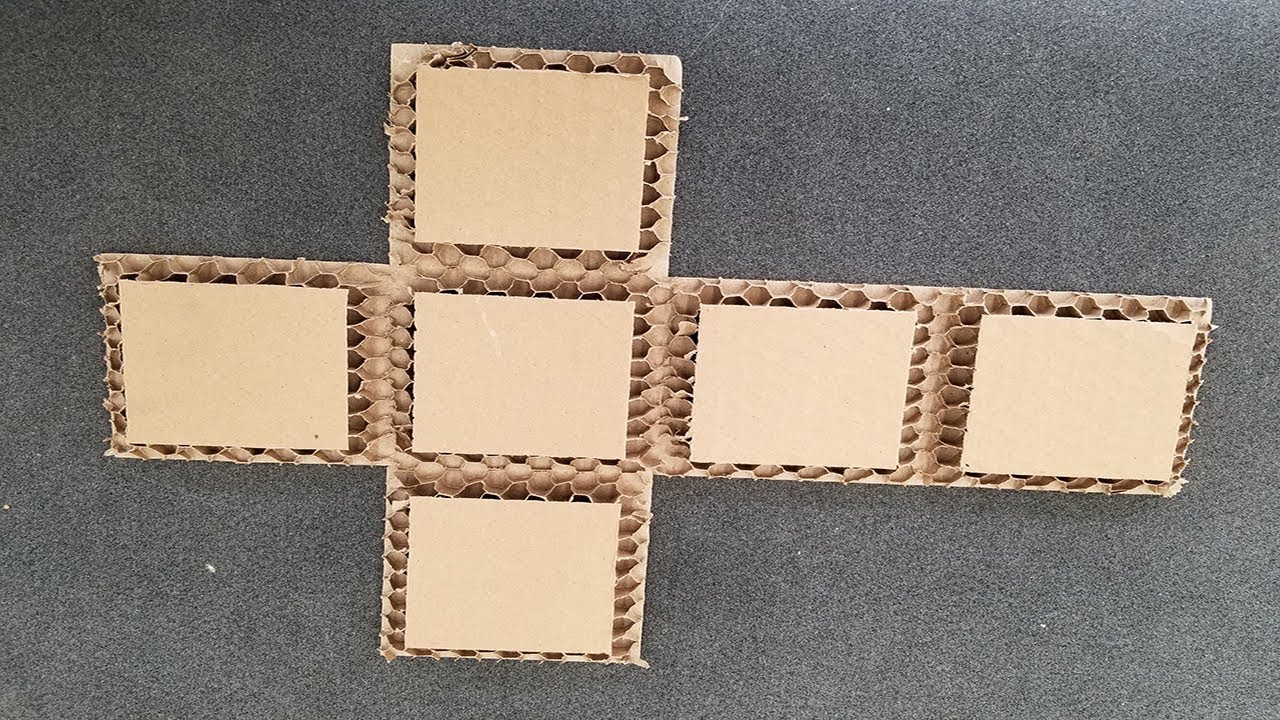
ແຜ່ນລວດລາຍຫຼາຍຂຸ່ຍ ແລະ ແຜ່ນຮັງເຜິ້ງຈະແຕກງ່າຍເມື່ອແຮງດັນຕັດບໍ່ຖືກຕ້ອງ. ມີດສັ່ນຄວນເຂົ້າໄປໃນກະດານດ້ວຍປາຍໃບມີດທີ່ປັດຜ້າສັກເຂົ້າໄປ 0.2–0.5 ມມ ແລະ ການສັ່ນສະເທືອນສູງພໍ (ໂດຍປົກກະຕິ 120–160 Hz) ທີ່ໃບມີດຈະຕັດອອກແທນທີ່ຈະບີບອັດຂຸ່ຍ. ສຳລັບລັດສະໝີພາຍໃນທີ່ແໜ້ນໜາ ແລະ ຮູບຊົງກ່ອງຕັດແບບໄດເຄິນທີ່ສັບສົນ, ມີດສະຫຼຽງແບບສະຫຼຽງຈະຮັກສາຄວາມແມ່ນຍຳຂອງມຸມທີ່ລະບົບລາກບໍ່ສາມາດຈັບຄູ່ໄດ້. ຈັບຄູ່ແຜ່ນຕັດກັບລໍ້ພັບສຳລັບເສັ້ນພັບແບບຕັດເຄິ່ງ ແລະ ເສັ້ນທາງຕັດເຕັມໃນໂປຣແກຣມດຽວ ເຊິ່ງລົບລ້າງການໃຫ້ຄະແນນດ້ວຍຕົນເອງ.
ໂຟມ EVA, ໂພລີຢູຣີເທນ, ແລະ ໂຟມໂພລີເອທິລີນ
ຄວາມໜາແໜ້ນຂອງໂຟມກຳນົດການເລືອກໃບມີດ. ໂພລີຢູຣີເທນທີ່ອ່ອນນຸ້ມ ແລະ ວັດສະດຸຫຸ້ມຫໍ່ EPE ຕັດໄດ້ຢ່າງສະອາດດ້ວຍໃບມີດຊື່ມາດຕະຖານທີ່ 50–120 Hz. EVA ທີ່ໜາແໜ້ນກວ່າ 50 Shore A ຕ້ອງການໃບມີດເຫຼັກສະເຕນ 1.5 ມມ ແລະ ຄວາມຖີ່ຂອງການສັ່ນທີ່ສູງກວ່າເພື່ອປ້ອງກັນການໂຄ້ງງໍ. ສຳລັບຄວາມໜາທີ່ເກີນ 30 ມມ, ເຄື່ອງມືສັ່ນແບບນິວເມຕິກຈະສົ່ງແຮງຕັດທີ່ຫົວຕັດໄຟຟ້າບໍ່ສາມາດເຮັດໄດ້. ຫ້ອງສະແດງຮູບພາບການນຳໃຊ້ການຕັດໂຟມດ້ວຍມີດສັ່ນ ສະແດງການຕັ້ງຄ່າທີ່ແນະນຳສຳລັບການໃສ່ປ້ອງກັນ, ຖາດເງົາເຄື່ອງມື, ແລະ ໂຟມສຽງ.
ປະเก็นຢາງ, ກ້ອນກ໊ອກ, ແລະ ປະเก็นປະສົມ
ປະສິດທິພາບຂອງການປະທັບຕາປະเก็นແມ່ນຂຶ້ນກັບຂອບທີ່ສະອາດ. ມີດເຈາະລົມລວມກັບເຄື່ອງຕັດສັ່ນສະເທືອນຈະຈັດການກັບເສັ້ນໄຍທີ່ບໍ່ມີ asbestos, ຢາງ nitrile, ແລະວັດສະດຸປະສົມທີ່ເສີມດ້ວຍ graphite ໂດຍບໍ່ມີການປ່ອຍອາຍແກັສອອກ ຫຼື ການເຜົາໄໝ້ທີ່ເລເຊີນຳມາ. STYLECNC ຍັງສະເໜີໃຫ້ອຸທິດຕົນ ເຄື່ອງຕັດປະเก็นລົມ CNC ໄດ້ຮັບການປັບປຸງໃຫ້ເໝາະສົມສຳລັບວຽກງານປະเก็นທີ່ມີປະລິມານສູງບ່ອນທີ່ຄວາມທົນທານ ແລະ ຄວາມສົມບູນຂອງປະທັບຕາບໍ່ສາມາດເຈລະຈາໄດ້.
ໜັງ, ຜ້າ, ແລະ ແຜ່ນແພຫຼາຍຊັ້ນ
ໜັງແທ້ມີຄວາມໜາແຕກຕ່າງກັນໄປຕາມໜັງດຽວ, ສະນັ້ນ CCD ລະບົບການກຳນົດຕຳແໜ່ງກ້ອງຖ່າຍຮູບແມ່ນການຍົກລະດັບມາດຕະຖານສຳລັບຮ້ານຂາຍເຄື່ອງໜັງ ເຊິ່ງມັນລະບຸຂໍ້ບົກຜ່ອງ, ແນມເບິ່ງອ້ອມພວກມັນ, ແລະ ຕິດຕາມເຄື່ອງໝາຍຮູບຮ່າງທີ່ພິມອອກມາ. ຜ້າຊັ້ນດຽວຕັດໄດ້ໄວກວ່າດ້ວຍມີດຮູບວົງມົນ (ວົງມົນ) ກ່ວາດ້ວຍໃບມີດສັ່ນສະເທືອນ. ສຳລັບການວາງຊ້ອນກັນຂອງເສື້ອຜ້າຫຼາຍຊັ້ນ, ເບິ່ງ ເຄື່ອງຕັດຜ້າດິຈິຕອນອຸດສາຫະກຳ ຕັ້ງຄ່າດ້ວຍການປ້ອນອັດຕະໂນມັດ ແລະ ການຢຸດດູດຝຸ່ນ.
ເອກະສານອ້າງອີງດ່ວນກ່ຽວກັບເຄື່ອງມືຫາວັດສະດຸ
✓ ກະດານລອກ, ກະດານເຈ້ຍ, ກ່ອງສີ → ມີດສັ່ນ + ລໍ້ພັບ
✓ ໂຟມ EVA / PU ຕ່ຳກວ່າ 30 ມມ → ມີດສັ່ນໄຟຟ້າ, ໃບມີດຂະໜາດ 1.5 ມມ
✓ ໂຟມ EVA / PU ຂະໜາດຫຼາຍກວ່າ 30 ມມ → ມີດສັ່ນລົມ, ໃບມີດຍາວ
✓ ປະเก็นຢາງ, ຈຸກ, ແກຣໄຟ → ການສັ່ນສະເທືອນດ້ວຍລົມ + ມີດເຈາະ
✓ ຜ້າຊັ້ນດຽວ → ມີດວົງມົນຄວາມໄວສູງ
✓ ໜັງ (ພິມ ຫຼື ລວດລາຍ) → ມີດສັ່ນ + CCD ການລົງທະບຽນກ້ອງຖ່າຍຮູບ
ຈາກແມ່ພິມເຫຼັກກ້າໄປສູ່ການຕັດດິຈິຕອນ: ROI ສຳລັບຮ້ານຫຸ້ມຫໍ່ໄລຍະສັ້ນ
ກໍລະນີທາງເສດຖະກິດສຳລັບເຄື່ອງຕັດມີດສັ່ນ CNC ແມ່ນເຂັ້ມແຂງທີ່ສຸດໃນສະພາບແວດລ້ອມທີ່ປະລິມານການສັ່ງຊື້ກຳລັງແບ່ງແຍກການຫຸ້ມຫໍ່ແບບກຳນົດເອງຂອງອີຄອມເມີຊ, ຕົ້ນແບບການສະແດງຂາຍຍ່ອຍ, ແລະການຜະລິດຕາມສັນຍາສຳລັບຍີ່ຫໍ້ທີ່ປ່ຽນ SKU ເລື້ອຍໆ. ການຕັດແມ່ພິມແບບດັ້ງເດີມຮຽກຮ້ອງໃຫ້ມີແມ່ພິມເຫຼັກແບບກຳນົດເອງສຳລັບທຸກຮູບຮ່າງ, ໂດຍມີຄ່າໃຊ້ຈ່າຍໃນການໃຊ້ເຄື່ອງມື. $500–3,000 ໂດລາຕໍ່ແມ່ພິມ ແລະ ເວລານຳສະເໜີວັດແທກເປັນມື້ ຫຼື ອາທິດ. ການປັບປຸງການອອກແບບໃດໆໝາຍເຖິງການສັ່ງຊື້ແມ່ພິມໃໝ່. ສຳລັບຮ້ານຄ້າທີ່ຈັດການຕໍ່າກວ່າ 5,000 ໜ່ວຍຕໍ່ SKU, ການຄິດໄລ່ນັ້ນຈະໃຊ້ບໍ່ໄດ້ອີກຕໍ່ໄປ.
ບ່ອນທີ່ການປະຫຍັດຄ່າໃຊ້ຈ່າຍມາຈາກ
ຂັ້ນຕອນການຕັດແບບດິຈິຕອນຊ່ວຍກຳຈັດສູນຕົ້ນທຶນ 4 ແຫ່ງທີ່ປາກົດຢູ່ໃນທຸກໆວຽກງານການຫຸ້ມຫໍ່ແບບດັ້ງເດີມຄື: ການຜະລິດແມ່ພິມ, ການເກັບຮັກສາ ແລະ ການດຶງແມ່ພິມຄືນ, ຕັ້ງຄ່າແຮງງານ, ແລະ ການເຮັດວຽກຄືນໃໝ່ໃນການແກ້ໄຂການອອກແບບ. ໄຟລ໌ CAD ແມ່ນເຄື່ອງມື. ຜູ້ອອກແບບປ່ຽນໄຟລ໌, ຜູ້ປະຕິບັດການໂຫຼດມັນຄືນໃໝ່, ແລະ ຊິ້ນສ່ວນຕໍ່ໄປແມ່ນການຕັດພາຍໃນນາທີ. ໂດຍລວມແລ້ວ, ຄ່າໃຊ້ຈ່າຍຕໍ່ຊິ້ນສ່ວນທັງໝົດໃນໄລຍະສັ້ນຫຼຸດລົງ 30–80% ທຽບກັບການຕັດແບບແມ່ພິມ, ໂດຍມີການປະຫຍັດຫຼາຍທີ່ສຸດໃນວຽກ 1 ຫາ 500 ໜ່ວຍ ແລະ ໃນການອອກແບບທີ່ເຮັດຊ້ຳໃນລະຫວ່າງການພັດທະນາ.
ຄະນິດສາດການຜະລິດ: ເມື່ອເຄື່ອງຕັດດິຈິຕອລຈ່າຍຄືນ
| ສະຖານະການຜະລິດ | ຂະບວນການເຮັດວຽກຂອງແມ່ພິມເຫຼັກ | CNC oscillating ມີດ |
|---|---|---|
| ເວລານຳ SKU ໃໝ່ | 5-14 ມື້ (ການຜະລິດແມ່ພິມ) | ມື້ດຽວກັນ (ໄຟລ໌ → ຕັດ) |
| ຄ່າໃຊ້ຈ່າຍຂອງເຄື່ອງມືຕໍ່ການອອກແບບ | 500–3,000 ໂດລາຕໍ່ໜ່ວຍ | $0 (ໄຟລ໌ດິຈິຕອນ) |
| ຄ່າໃຊ້ຈ່າຍໃນການແກ້ໄຂການອອກແບບ | ຕ້ອງການແມ່ພິມໃໝ່ | ບັນທຶກໄຟລ໌ຄືນໃໝ່ |
| ຄວາມຍາວແລ່ນທີ່ດີທີ່ສຸດ | 10,000+ ໜ່ວຍ | 1-5,000 ຫນ່ວຍ |
| ລະດັບທັກສະຂອງຜູ້ປະຕິບັດງານ | ຊ່າງຕັດແບບທີ່ມີຄວາມຊຳນານ | ການຝຶກອົບຮົມ 2–3 ຊົ່ວໂມງ |
ຊອບແວ ແລະ ຂະບວນການເຮັດວຽກຂອງໄຟລ໌
ໄດ້ STO1630 ຍອມຮັບໄຟລ໌ PLT, AI, DXF, ແລະ CDR ໂດຍກົງຈາກ CorelDRAW, AutoCAD, Illustrator, ແລະແພລດຟອມ CAM ສ່ວນໃຫຍ່. ຊອບແວການຈັດຮຽງອັດຕະໂນມັດຈັດລຽງສ່ວນຕ່າງໆເພື່ອເພີ່ມປະໂຫຍດການນຳໃຊ້ແຜ່ນໃຫ້ສູງສຸດເມື່ອຄ່າໃຊ້ຈ່າຍຂອງກະດານດິບເພີ່ມຂຶ້ນ. ສຳລັບພາບລວມທີ່ຄົບຖ້ວນກວ່າຂອງການອອກແບບທີ່ເຂົ້າກັນໄດ້ ແລະ ເຄື່ອງມື CAM, ເບິ່ງ ຄູ່ມືຊອບແວ CAD/CAMການອ່ານເພີ່ມເຕີມກ່ຽວກັບກໍລະນີທຸລະກິດທີ່ກວ້າງຂວາງແມ່ນ ຜົນປະໂຫຍດຂອງເຄື່ອງຕັດດິຈິຕອນ, ເຊິ່ງກວມເອົາການປ່ຽນແປງຕົ້ນແບບ, ການປະຫຍັດວັດສະດຸ, ແລະ ການຈັດສັນແຮງງານຄືນໃໝ່ໃນລາຍລະອຽດເພີ່ມເຕີມ.
ບ່ອນທີ່ການລົງທຶນໄດ້ກຳໄລໄວທີ່ສຸດ
ຮ້ານຄ້າຫຸ້ມຫໍ່ຕາມໃຈລູກຄ້າທີ່ເຮັດຕໍ່າກວ່າ 5,000 ໜ່ວຍຕໍ່ SKU
ສະຕູດິໂອອອກແບບຜະລິດແບບຈຳລອງໂຄງສ້າງ ແລະ ຕົວຢ່າງການນຳສະເໜີ
ຜູ້ຜະລິດໂຟມໃສ່ອຸປະກອນເອເລັກໂຕຣນິກ, ເຄື່ອງມື ແລະ ເຄື່ອງມືຕ່າງໆ
ຮ້ານຕັດປ້າຍ, ຟິມສະທ້ອນແສງ, ປ້າຍໂຄສະນາ, ແລະ ແຜ່ນຮອງແຂງ
ຜູ້ຜະລິດປະเก็น ແລະ ປະທັບຕາທີ່ຈັດການການປ່ຽນແປງດ້ານວິສະວະກຳເລື້ອຍໆ
ຫ້ອງຕົວຢ່າງສິນຄ້າໜັງ ແລະ ເກີບທີ່ມີການພັດທະນາຮູບແບບຢ່າງຕໍ່ເນື່ອງ
ຄໍາຖາມທີ່ຖືກຖາມເລື້ອຍໆ
ຄຳຖາມເຫຼົ່ານີ້ແມ່ນໄດ້ມາຈາກການສົນທະນາໃນປະຈຸບັນໃນ CNCZone, OpenBuilds, Reddit, ແລະເວທີສົນທະນາອຸດສາຫະກຳການຫຸ້ມຫໍ່ບ່ອນທີ່ຜູ້ປະຕິບັດງານກຳລັງປະເມີນ, ປັບປຸງ, ຫຼືແກ້ໄຂບັນຫາລະບົບມີດສັ່ນ tangential.
ຂ້ອຍສາມາດຕິດຕັ້ງມີດສັ່ນ tangential ໃສ່ກັບ router CNC ແບບອະດິເລກໄດ້ບໍ?
ໃນດ້ານເຕັກນິກແມ່ນແລ້ວ, ແຕ່ໃນເວທີສົນທະນາຕ່າງໆເຊັ່ນ CNCZone ແລະ OpenBuilds ຜູ້ເລີ່ມຕົ້ນມັກລາຍງານວ່າການເຮັດໃຫ້ຫົວມີດພາກສ່ວນທີສາມເຮັດວຽກກັບຕົວຄວບຄຸມ Duet, GRBL, ຫຼື Mach ຕ້ອງການການຕັ້ງຄ່າແກນທີ 4 ທີ່ເຮັດວຽກໄດ້ ແລະ ໂປເຊດເຊີຫຼັງການກຳນົດເອງ. ເຄື່ອງຈັກແບບແປທີ່ສ້າງຂຶ້ນໂດຍສະເພາະເຊັ່ນ STO1630 ຈັດສົ່ງພ້ອມກັບແກນ C, ຕົວຄວບຄຸມ, ໂຕະສູນຍາກາດ, ແລະຊອບແວທີ່ໄດ້ຮັບການປັບທຽບແລ້ວ ເຊິ່ງເຮັດໃຫ້ບໍ່ຕ້ອງເຮັດວຽກຫຼາຍອາທິດໃນການເຊື່ອມໂຍງ.
ໃບມີດສັ່ນຕ້ອງໄດ້ປ່ຽນແທນເລື້ອຍປານໃດ?
ອາຍຸການໃຊ້ງານຂອງໃບມີດແມ່ນຂຶ້ນກັບວັດສະດຸ. ເຈ້ຍ ແລະ ເຈ້ຍແຂງ corrugated ຈະໃຊ້ໃບມີດໄດ້ໄວທີ່ສຸດ ໂດຍປົກກະຕິແລ້ວແມ່ນ 1-3 ມື້ຂອງການຕັດຕໍ່ເນື່ອງ. ໂຟມຈະໃຊ້ດົນກວ່າຫຼາຍຢູ່ທີ່ 3-10 ມື້. ວັດສະດຸປະສົມເສັ້ນໃຍແກ້ວ ແລະ prepreg ແມ່ນວັດສະດຸທີ່ຂັດຫຼາຍທີ່ສຸດ ແລະ ອາດຈະຕ້ອງການການປ່ຽນແປງປະຈຳວັນ. ໃບມີດແມ່ນວັດສະດຸສິ້ນເປືອງທີ່ມີລາຄາບໍ່ແພງ, ໂດຍທົ່ວໄປແລ້ວລາຄາສອງສາມໂດລາຕໍ່ອັນ, ສະນັ້ນຄ່າໃຊ້ຈ່າຍທັງໝົດຂອງເຄື່ອງມືຈຶ່ງຍັງຕໍ່າກວ່າການຜະລິດແມ່ພິມເລເຊີ ຫຼື ແມ່ພິມຫຼາຍ.
ເຄື່ອງມືສັ່ນໄຟຟ້າ ແລະ ເຄື່ອງມືສັ່ນແບບນິວເມຕິກມີຄວາມແຕກຕ່າງກັນແນວໃດ?
ເຄື່ອງມືສັ່ນໄຟຟ້າ (EOT) ຈັດການກັບວັດສະດຸທີ່ອ່ອນຫາເຄິ່ງແຂງທີ່ມີຄວາມໜາເຖິງປະມານ 28 ມມ ແລະ ເປັນທາງເລືອກເລີ່ມຕົ້ນສຳລັບວຽກກະດາດແຂງ, ໂຟມ ແລະ ໜັງສ່ວນໃຫຍ່. ເຄື່ອງມືສັ່ນໄຟຟ້າ (POT) ສ້າງແຮງຕັດຫຼາຍຂຶ້ນ ແລະ ມີຄວາມໜາເຖິງ 50 ມມ — ຈຳເປັນສຳລັບຢາງໜາ, EVA ໜາ, ແຜ່ນແຊນວິດ ແລະ ການວາງຊ້ອນກັນຂອງແຜ່ນເຫຼັກ.
ເປັນຫຍັງກະດາດແຂງຂອງຂ້ອຍຈຶ່ງແຕກ ຫຼື ເປັນຕ່ອນໆໃນລະຫວ່າງການຕັດ?
ສາເຫດທົ່ວໄປປະກອບມີຄວາມຖີ່ຂອງການສັ່ນບໍ່ພຽງພໍ, ຄວາມດັນຕັດຫຼາຍເກີນໄປ, ໃບມີດບໍ່ທຶບ, ຫຼື ອັດຕາການປ້ອນທີ່ຕັ້ງໄວເກີນໄປສຳລັບໂຄງສ້າງຂຸ່ຍ. ເພີ່ມການສັ່ນໄປທາງ 120–160 Hz, ຫຼຸດຄວາມດັນຂອງໃບມີດ, ປ່ຽນໃບມີດ, ແລະ ກວດສອບວ່າໜ້າຕັດທີ່ເປັນຜ້າສັກຮາບພຽງ. ໄມ້ຄ້ອນຮັງເຜິ້ງ ແລະ ໄມ້ຄ້ອນສາມຊັ້ນຕ້ອງການຮູບຮ່າງພື້ນດິນດ້ານດຽວໂດຍສະເພາະເພື່ອຫຼີກເວັ້ນການທັບຝາເຊວ.
ເຄື່ອງຈັກດຽວກັນສາມາດຕັດທັງໂຟມອ່ອນ ແລະ ປະเก็นຢາງໜາໄດ້ບໍ?
ແມ່ນແລ້ວ, ໄດ້ STO1630 ເປັນເຄື່ອງມືຫຼາຍອັນໂດຍການອອກແບບ. ມີດສັ່ນສະເທືອນຮັບມືກັບໂຟມອ່ອນ, ມີດລົມຮັບມືກັບປະเก็นຢາງໜາ ແລະ ແກຣໄຟ, ແລະ ເຄື່ອງມືເຈາະຮັບມືກັບຮູບແບບການຍຶດ ແລະ ຮູສະກູ. ການປ່ຽນເຄື່ອງມືໃຊ້ເວລາພຽງບໍ່ເທົ່າໃດວິນາທີ ແລະ ເປັນສ່ວນໜຶ່ງຂອງໂປຣແກຣມອັດຕະໂນມັດດຽວກັນ ໂດຍບໍ່ມີການປ່ຽນວຽກດ້ວຍຕົນເອງ.
ບໍ່ CCD ການລົງທະບຽນກ້ອງຖ່າຍຮູບໃຊ້ໄດ້ແທ້ບໍສຳລັບການຫຸ້ມຫໍ່ທີ່ພິມອອກ?
ແມ່ນແລ້ວ, ແລະມັນແມ່ນຄຸນສົມບັດທີ່ປ່ຽນເຄື່ອງພິມແບບ Flatbed ທົ່ວໄປໃຫ້ກາຍເປັນເຄື່ອງມືຜະລິດການຫຸ້ມຫໍ່ທີ່ພິມອອກມາ. ກ້ອງຖ່າຍຮູບອ່ານເຄື່ອງໝາຍການລົງທະບຽນ ຫຼື ຮູບຊົງທີ່ພິມອອກມາ, ຊົດເຊີຍຄວາມອຽງຂອງແຜ່ນ ແລະ ການຍືດຂອງການພິມ, ແລະ ຈັດລຽນເສັ້ນທາງຕັດໂດຍອັດຕະໂນມັດ. ຜູ້ປະກອບການໃນເວທີສົນທະນາການຫຸ້ມຫໍ່ລາຍງານວ່ານີ້ແມ່ນຄຸນສົມບັດດຽວທີ່ເຮັດໃຫ້ການຕັດແບບດິຈິຕອນເປັນໄປໄດ້ສຳລັບກ່ອງພິມ, ປ້າຍ ແລະ ສະຕິກເກີໃນຂະໜາດໃຫຍ່.
ຄວາມໄວໃນການຕັດປຽບທຽບກັບຄວາມໄວໃນການຕັດແນວໃດ CO2 ເລເຊີໃສ່ແຜ່ນກະດາດໜາ ຫຼື ໂຟມ?
ໃນວັດສະດຸທີ່ມີຄວາມຍືດຫຍຸ່ນສູງກວ່າ 30 ມມ, ມີດສັ່ນຈະແລ່ນໄວກວ່າປະມານ 3 ເທົ່າ CO2 ຕັດດ້ວຍເລເຊີ. ຄວາມໄວຕັດສູງສຸດໃນ STO1630 ຮອດ 2,000 ມມ/ວິນາທີ. ເລເຊີຮັກສາຂອບໄວ້ເທິງ acrylic ແຂງ ແລະ ໂລຫະບາງໆ, ແຕ່ໃນວັດສະດຸທີ່ເຄື່ອງນີ້ຖືກອອກແບບມາ, ກະດານ, ໂຟມ, ຜ້າ, ຢາງ, ມີດຈະຊະນະໃນດ້ານຜົນຜະລິດ, ຄຸນນະພາບຂອງຂອບ, ແລະ ຕົ້ນທຶນການດຳເນີນງານ.
ຕົວຄວບຄຸມຍອມຮັບຮູບແບບໄຟລ໌ໃດແດ່?
ຕົວຄວບຄຸມ Kinco ນຳເຂົ້າໄຟລ໌ PLT, AI, DXF, ແລະ CDR ໂດຍກົງ. ເຊິ່ງກວມເອົາການສົ່ງອອກຈາກ CorelDRAW, Adobe Illustrator, AutoCAD, ແລະແພລດຟອມ CAM ສ່ວນໃຫຍ່. ຊອບແວການຈັດຮຽງອັດຕະໂນມັດຈະຈັດລຽງສ່ວນຕ່າງໆໃນແຜ່ນເພື່ອຫຼຸດຜ່ອນການສູນເສຍ, ແລະ ການຊົດເຊີຍ kerf ສາມາດຕັ້ງຄ່າໄດ້ກ່ອນທີ່ວຽກຈະດຳເນີນໄປ.
ການຝຶກອົບຮົມຜູ້ປະກອບການໃຊ້ເວລາດົນປານໃດ?
ຜູ້ປະຕິບັດງານສ່ວນໃຫຍ່ບັນລຸການຜະລິດທີ່ມີຄວາມສາມາດພາຍໃນ 2-3 ຊົ່ວໂມງຂອງການຝຶກອົບຮົມແບບລົງມືປະຕິບັດ. ອິນເຕີເຟດການຄວບຄຸມແມ່ນຮູບພາບກຣາບຟິກ, ການປ່ຽນແປງວັດສະດຸ ແລະ ໃບມີດແມ່ນບໍ່ຈຳເປັນຕ້ອງໃຊ້ເຄື່ອງມື, ແລະ ຊອບແວການຈັດລຽງຈະຈັດການການເພີ່ມປະສິດທິພາບເສັ້ນທາງໂດຍອັດຕະໂນມັດ. STYLECNC ຍັງໃຫ້ການຝຶກອົບຮົມຟຣີຢູ່ໂຮງງານ ແລະ 24/7 ການສະຫນັບສະຫນູນດ້ານວິຊາການຈາກໄລຍະໄກສໍາລັບອາຍຸການໃຊ້ງານຂອງເຄື່ອງຈັກ.
ລູກຄ້າເວົ້າວ່າ - ຢ່າເອົາຄໍາເວົ້າຂອງພວກເຮົາເປັນທຸກສິ່ງທຸກຢ່າງ. ຊອກຫາສິ່ງທີ່ລູກຄ້າເວົ້າກ່ຽວກັບຜະລິດຕະພັນແລະການບໍລິການຂອງພວກເຮົາທີ່ພວກເຂົາໄດ້ຊື້, ເປັນເຈົ້າຂອງຫຼືມີປະສົບການ.
Theresa Chavez
Jayla
ຄິດດີຫຼາຍເຄື່ອງຕັດ cardboard ສໍາລັບຂ້ອຍ. ງ່າຍທີ່ຈະນໍາໃຊ້ໃນການໂຕ້ຕອບ. ການຕັ້ງຄ່າແມ່ນເປັນລົມ. ຫນັງທີ່ໃຊ້ໃນການກວດສອບລະດັບແລະເຮັດການທົດສອບການຕັດ. ເຮັດວຽກໄດ້ດີ. ໂດຍລວມເຄື່ອງຕັດມີດ CNC ເຮັດວຽກແລະງຽບເທົ່າທີ່ຈະເປັນໄປໄດ້. ພຽງແຕ່ຢາກໃຫ້ຜູ້ຜະລິດມີບາງວິທີວິດີໂອເພື່ອຊ່ວຍຂ້ອຍ.
ອ່ານເພີ່ມເຕີມ

ຜະລິດຕະພັນທີ່ກ່ຽວຂ້ອງ